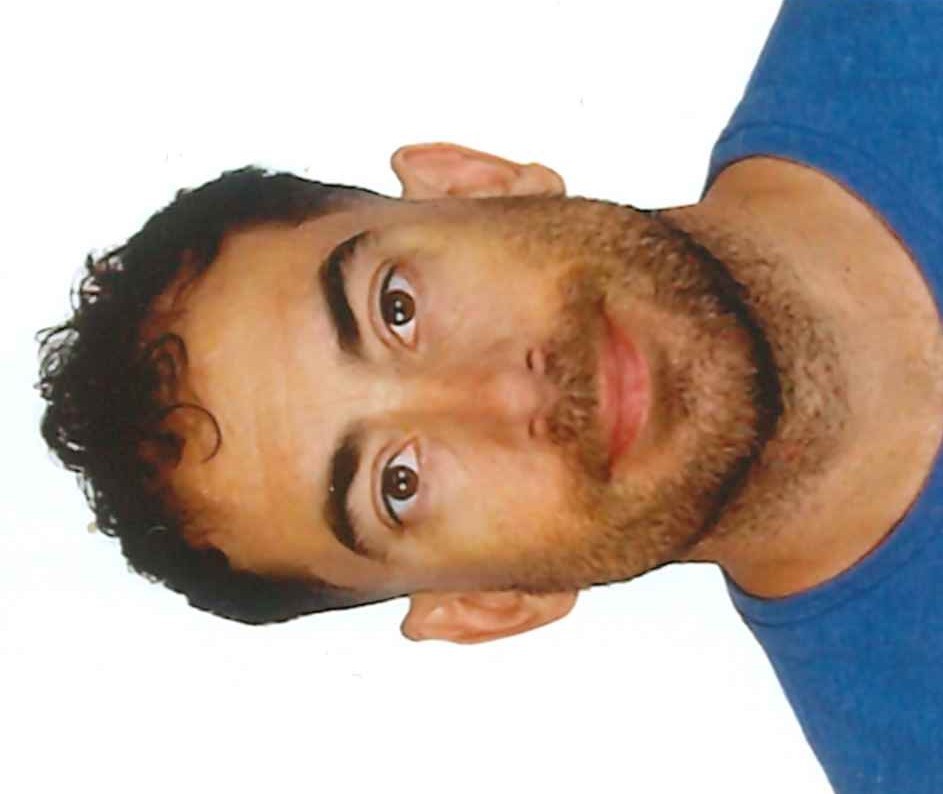
Alejandro Nicolás Colli
PhD in Chemical Engineering
Independent Researcher (CONICET)
Adjunct Professor (FIQ-UNL)
Electrochemical Engineering


At the Programa de Electroquímica Aplicada e Ingeniería Electroquímica (PRELINE), we conduct scientific and technological research focused on the study and optimization of electrochemical processes through experimental, theoretical, and computational methodologies.
In addition to generating knowledge, PRELINE is also dedicated to teaching and to the training of human resources in engineering and electrochemical sciences, preparing professionals and specialists for academia, industry, and applied research.
These tools are applied to the design, analysis, and optimization of electrochemical reactors in various areas: energy conversion, chemical production, materials protection, wastewater treatment, and the development of new electrochemical technologies. We also promote technology transfer and collaboration in national and international projects, contributing to scientific progress and sustainable development.
PhD in Chemical Engineering
Independent Researcher (CONICET)
Adjunct Professor (FIQ-UNL)
Electrochemical Engineering
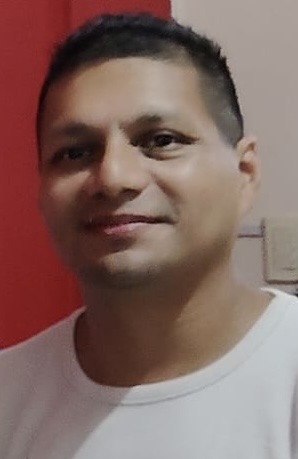
PhD in Chemical Engineering
Adjunct Researcher (CONICET)
Electrochemical Engineering
PhD in Chemical Engineering
External Advisor
Production Manager (LIF S.E.)
Teaching Assistant (FIQ-UNL)
Electrochemical Engineering
Chemical Engineer
Principal Researcher AD-HONOREM (CONICET)
Retired Associate Professor (FIQ-UNL)
Electrochemical Engineering
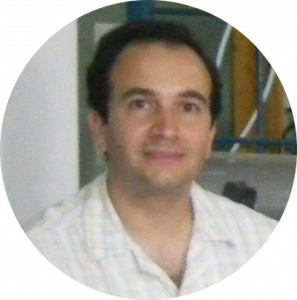
Principal Researcher (CONICET)
Adjunct Professor (FIQ-UNL)
Electrocatalysis
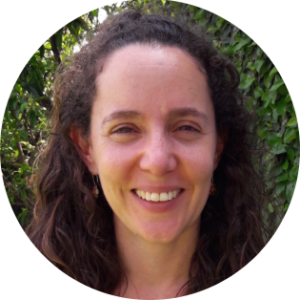
Adjunct Researcher (CONICET)
Assistant Professor (FIQ-UNL)
Electrocatalysis
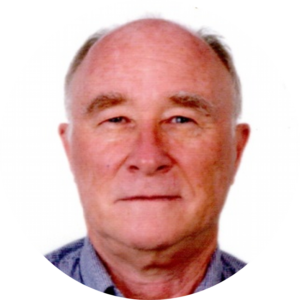
Senior Researcher AD-HONOREM (CONICET)
Full Professor (FIQ-UNL)
Electrocatalysis · Solution Thermodynamics
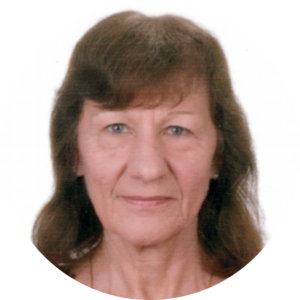
Principal Researcher AD-HONOREM (CONICET)
Associate Professor (FIQ-UNL)
Electrocatalysis · Solution Thermodynamics
Mandatory course for Materials Engineering and elective for Chemical Engineering, focused on the study of material degradation mechanisms and electrochemical protection strategies.
Undergraduate course in the Bachelor’s Degree in Chemistry, covering the fundamental principles of physical chemistry and their application to chemical systems.
Undergraduate course in the Bachelor’s Degree in Chemistry, focusing on physical chemistry principles and their application to chemical and electrochemical systems.
Undergraduate course in the Bachelor’s Degree in Chemistry, focused on advanced analytical techniques for the characterization and analysis of chemical systems.
Graduate course focused on mathematical modeling and numerical simulation for the design, analysis, and optimization of electrochemical reactors and systems.
Graduate course covering the fundamentals of major electrochemical techniques and their applications in the study and characterization of electrochemical systems.
Evaluation of corrosion, degradation, and reaction mechanisms using electrochemical techniques. Studies of kinetics, cathodic protection, and materials behavior in electrochemical environments.
Design and optimization of electrochemical reactors through modeling and numerical simulation. Analysis of mass transport, current distribution, and hydrodynamic phenomena using CFD.
Development of electrosynthesis processes for the production of compounds and materials with specific morphology and functional properties. Applications in electrochemical wastewater treatment, energy conversion, and storage.
For more publications see the PRELINE publication repository.
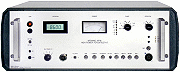
Power supplies, potentiostats and bipotentiostat
Electrochemical instrumentation for precise control of potential or current in electrochemical cells, used for studying reaction kinetics, corrosion, electrocatalysis, energy storage, and materials characterization.
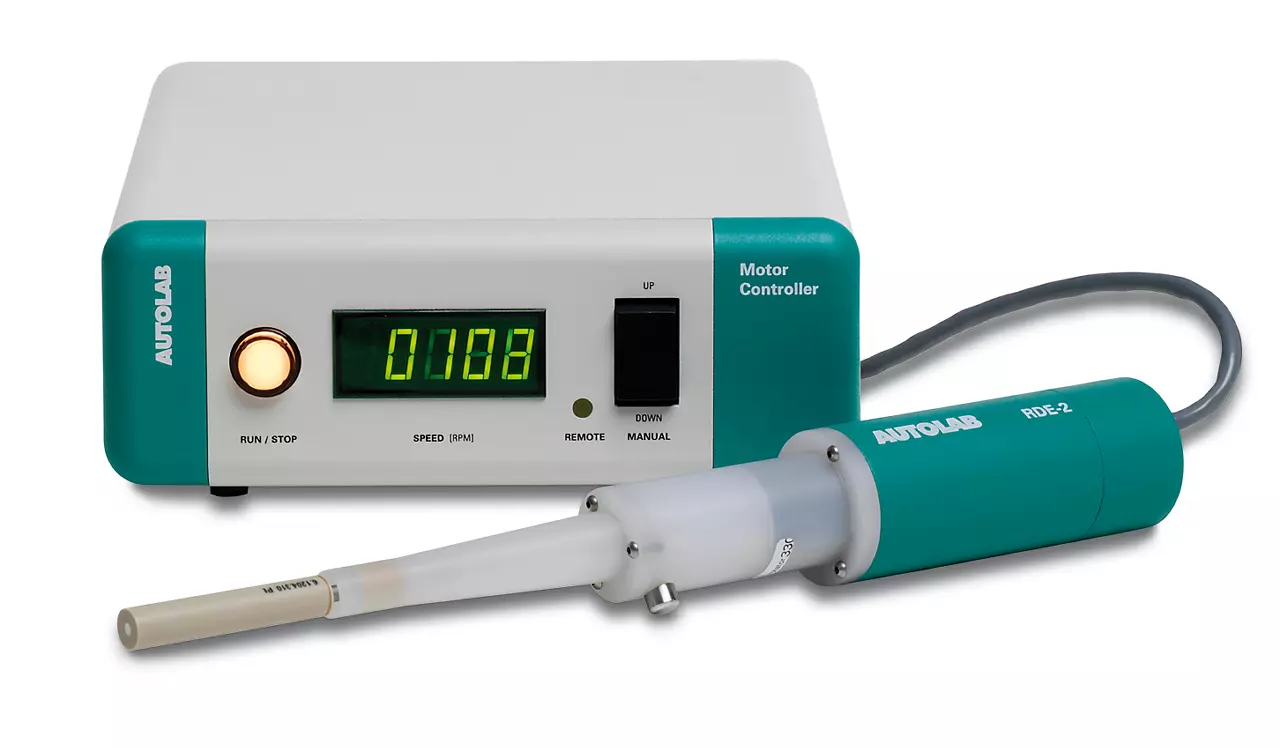
RDE and RRDE
Rotating disk and rotating ring-disk electrodes for electrochemical studies under controlled hydrodynamic conditions.
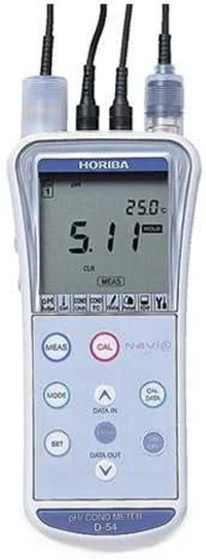
pH, conductivity and electric potential
Instrumentation for physicochemical characterization of solutions through pH, conductivity, and redox potential measurements.
Electrochemical cells and additional equipment (coming soon).
Universidad Nacional del Litoral - Facultad de Ingeniería Química.
Address: Santiago del Estero 2829, (3000) Santa Fe, Argentina.
Director: Dr. Alejandro Nicolás Colli, Email: ancolli@fiq.unl.edu.ar.
Laboratories: Rooms 30 and 31, 2nd floor (Electrochemical Engineering), Ground floor (Electrocatalysis), Gollán Building, FIQ-UNL.
Phone: +54 (342) 457-1164 Ext.: 2609 (Electrochemical Engineering), 2519 (Electrocatalysis).